Flip two cards. Find elements from the same family.
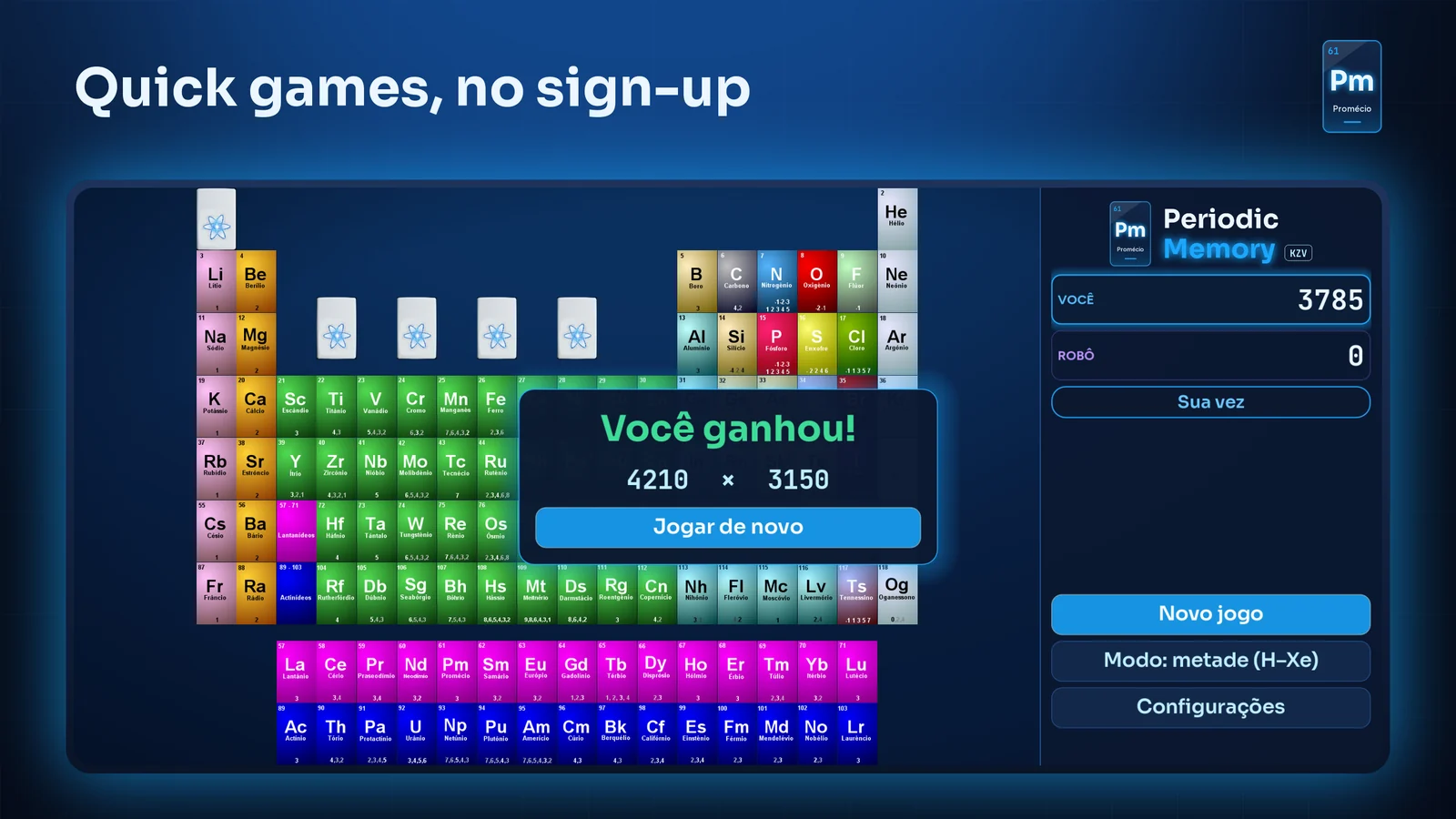
The memory game where every card is an element of the Periodic Table. Play against a robot that makes mistakes too.
Free, with no sign-up. The Android app is coming soon to Google Play. (The game itself is currently in Portuguese.)
How to play
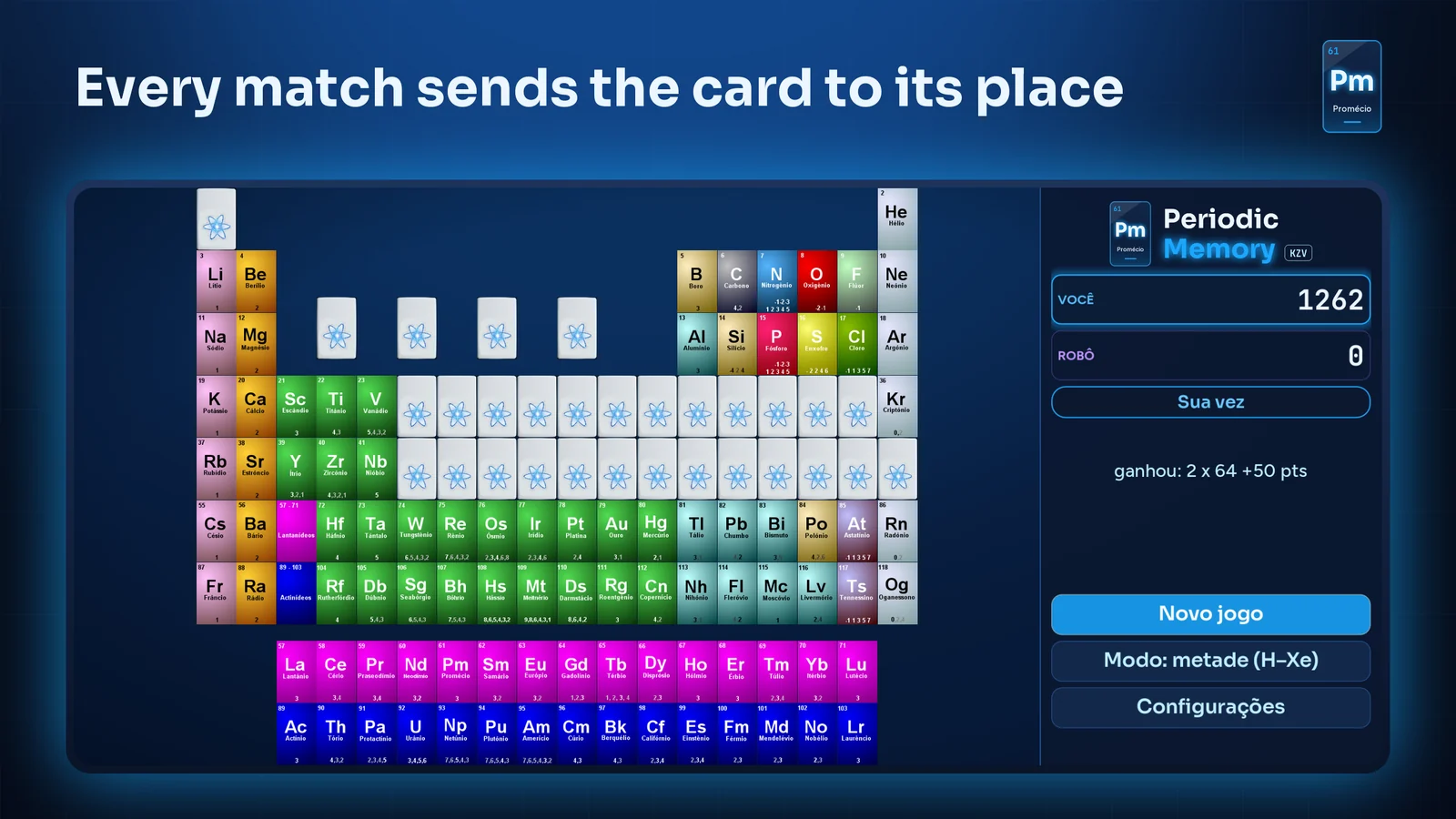
Flip two tiles
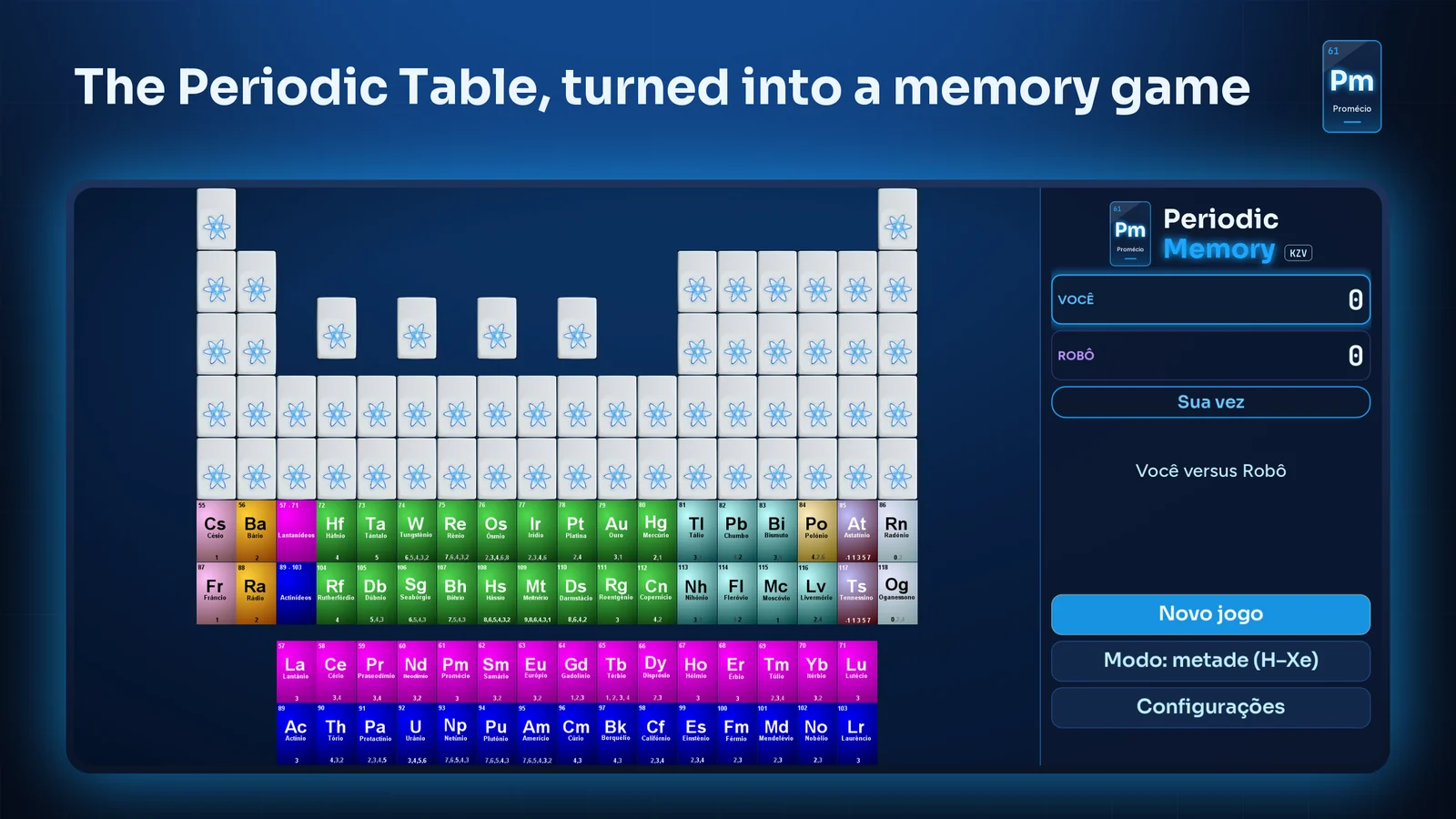
They all start face down and shuffled. Each one hides an element.
 +
+
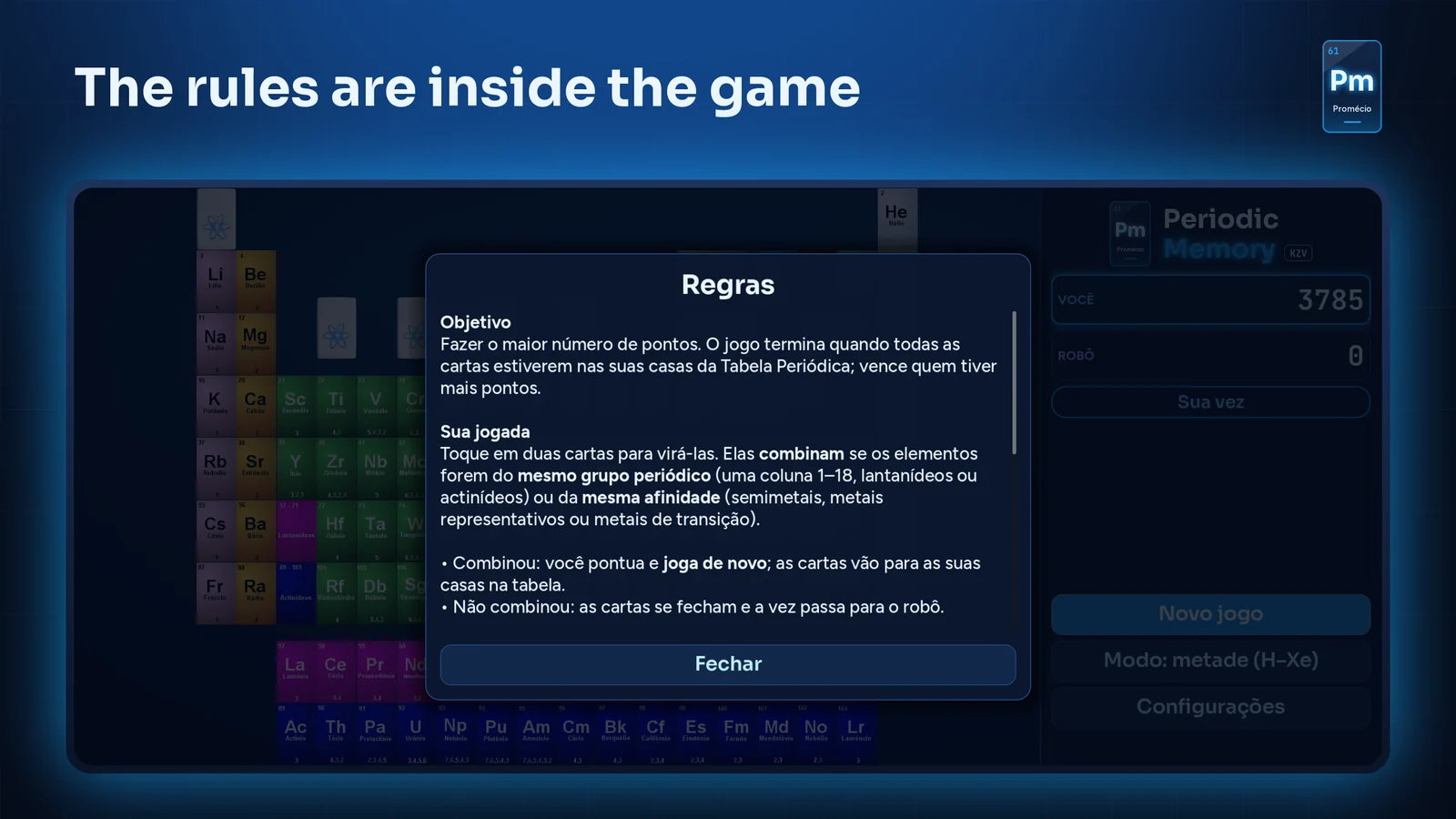
Match by family
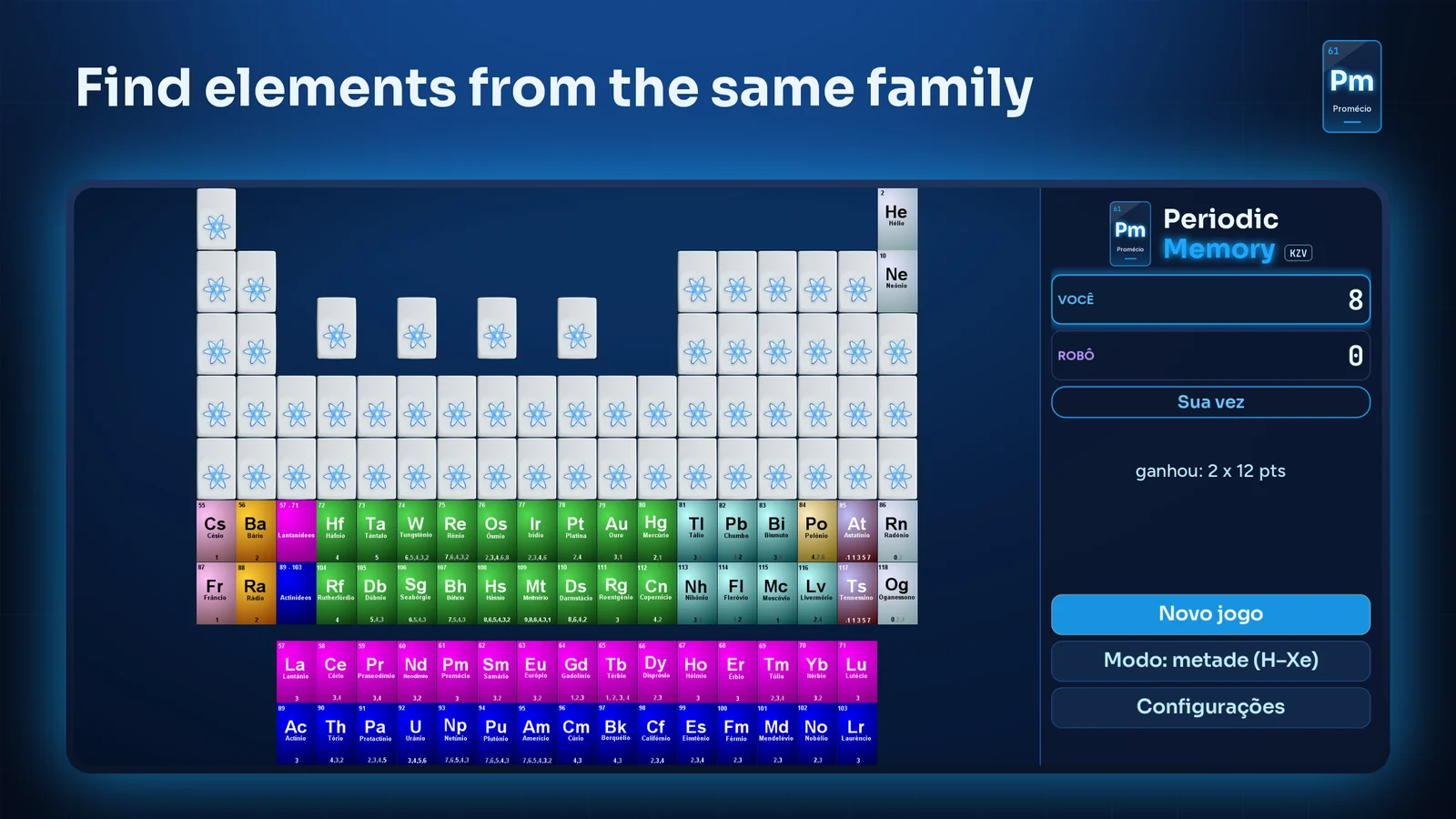
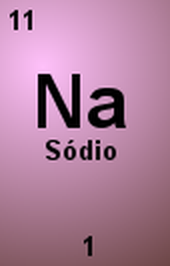
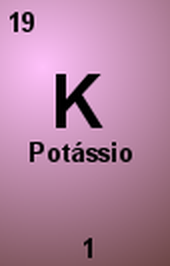
Sodium and potassium are in the same group of the table. The same affinity also counts: metalloids, representative metals or transition metals.
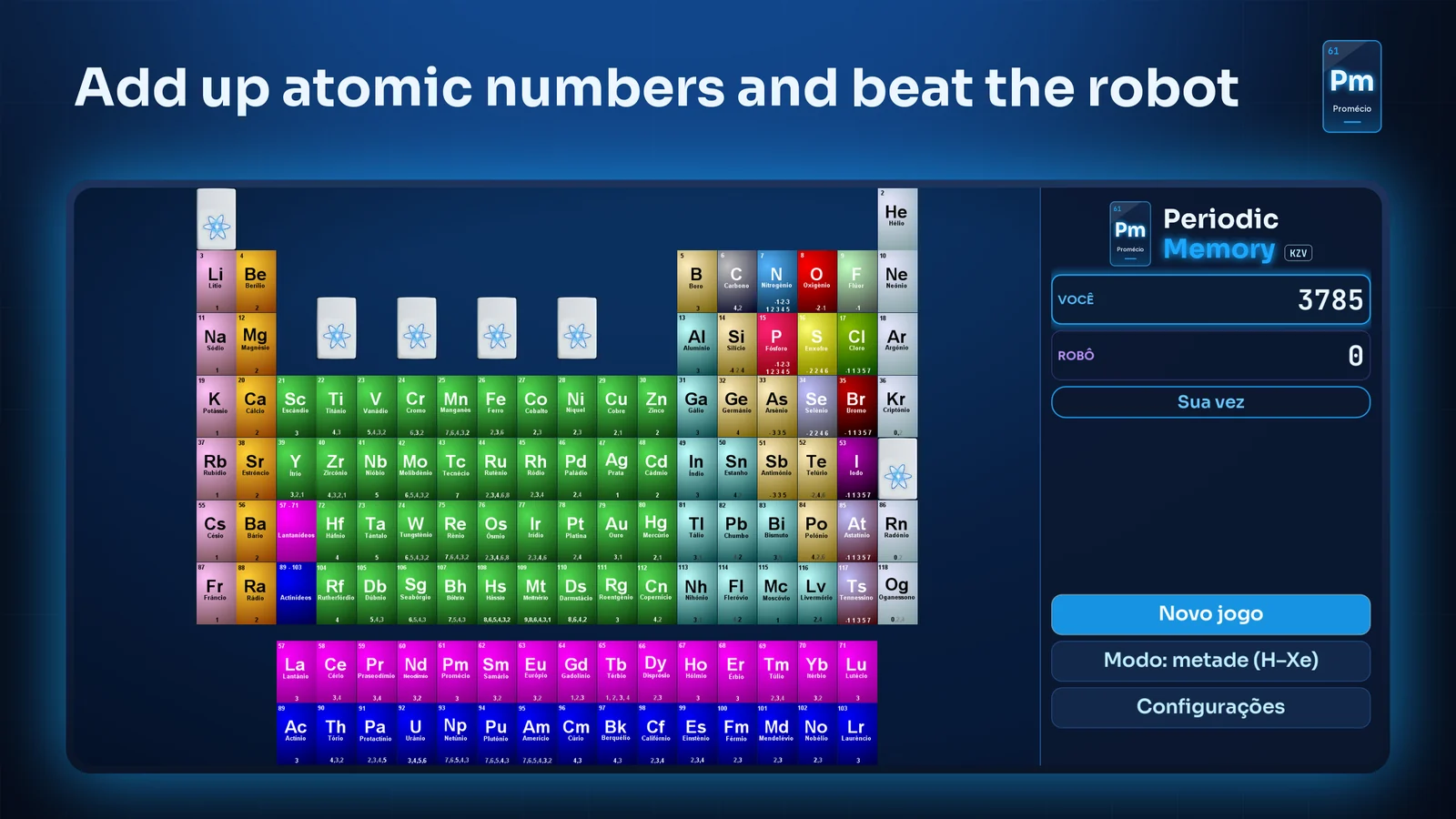
Add up the atomic numbers
(11 + 19) × 2 = 60. Got it? Play again. Missed? The tiles close and the turn passes to the robot.
The live table
Tap two elements and see whether they make a pair in the game, and how many points they would be worth. The colors are the families: tap one to highlight it.
The same group (one column of the table) is worth double; only the same affinity is worth once. Closing a group gives +50, closing an affinity +25 and closing the game +1000.
Cards that change the game
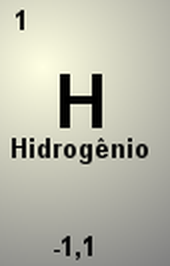
Hydrogen
Worth 1000 points at once, and you keep playing.
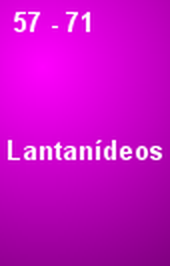
Ln and An
They briefly reveal the lanthanides and the actinides, and give 1000 points.
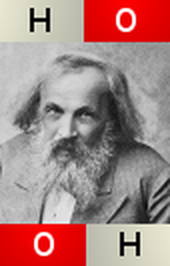
Mendeleev wild cards
×2, ×3, ×5 and ×10: they multiply your next score.
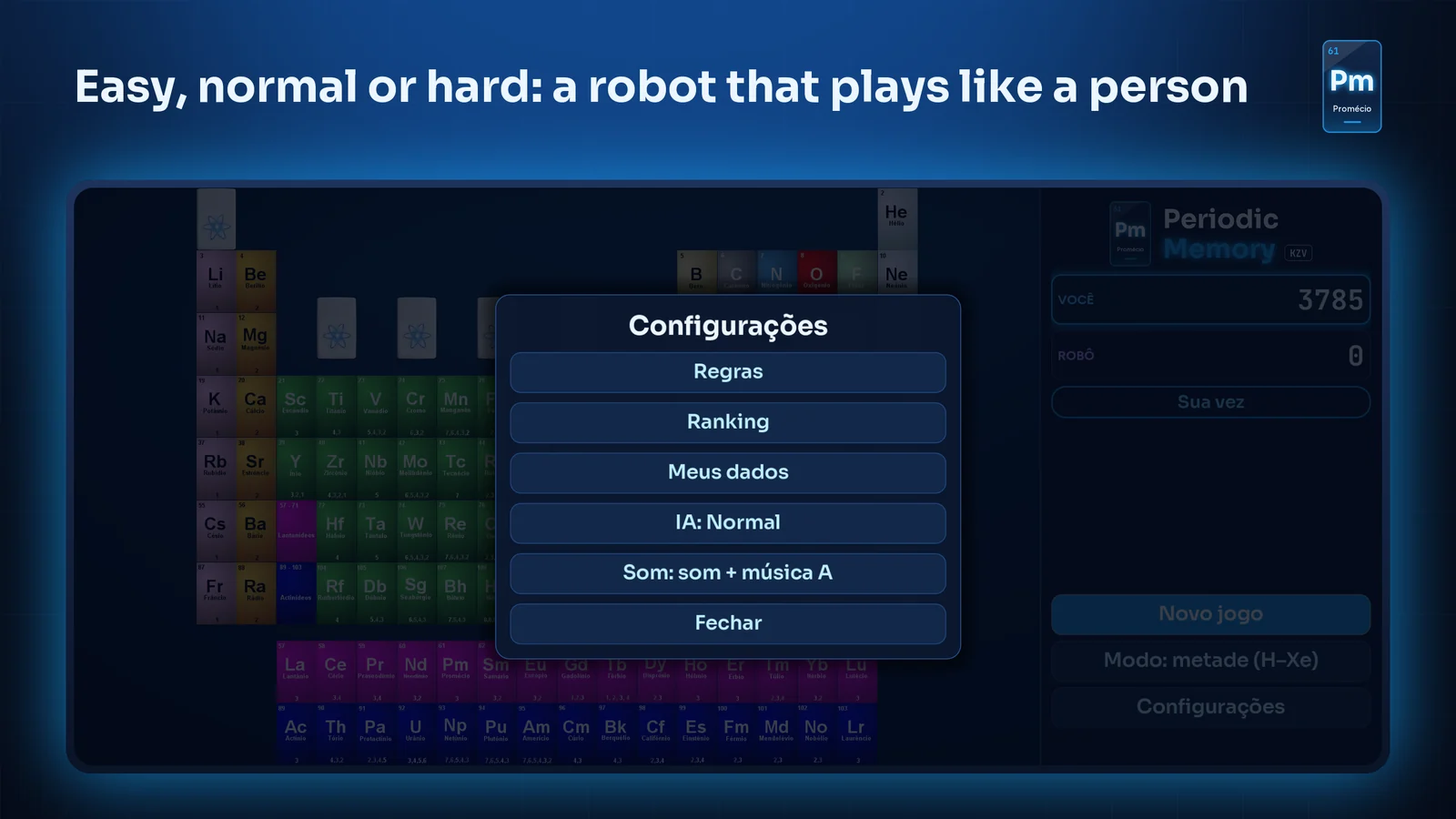
A robot that plays like a person
It remembers the cards it has seen, but it also gets confused and opens the wrong card. The level sets how much.
Easy
Normal
Hard
On average, the robot wins that share of the games. It adapts to the way you play, so the challenge stays fair, but never impossible.
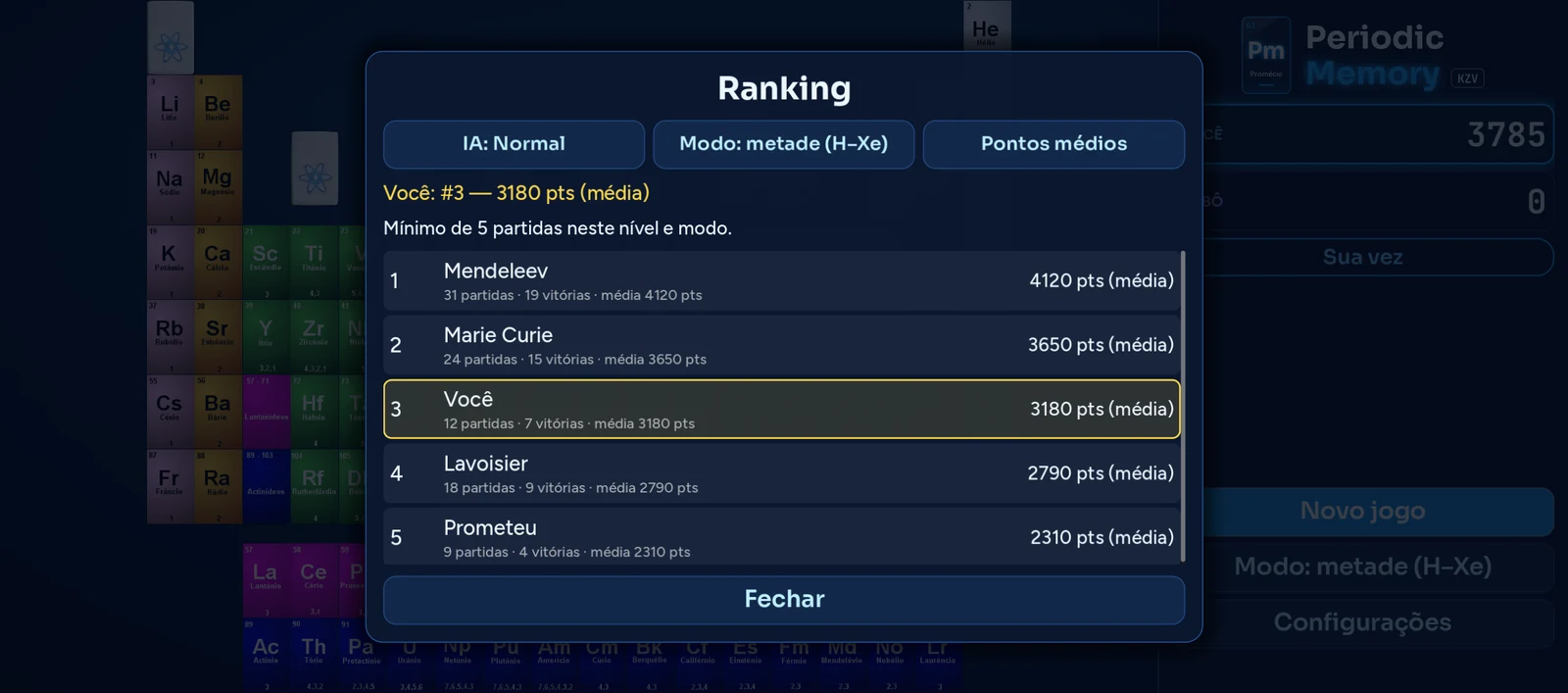
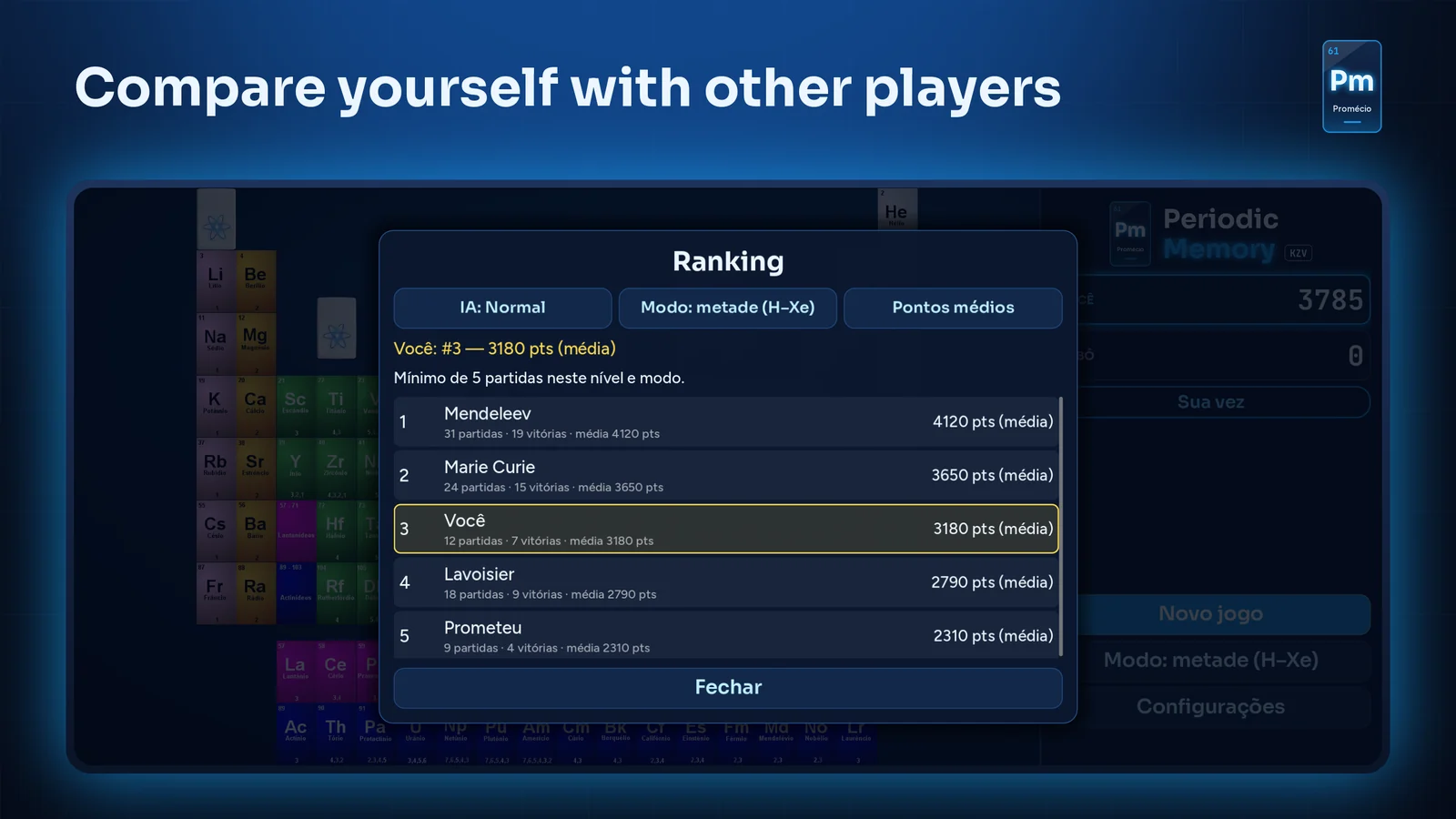
Compare yourself with other players
Pick a nickname and join the ranking, split by robot level and by game mode. No sign-up and no password.
Switch devices by taking your data with you, or delete everything whenever you like, in the app or on this page.
Fits in the classroom
A quick review game beats a list to memorize.
Learn without noticing
To match pairs, players need to know who is a halogen, a noble gas or a lanthanide, and where each one lives in the table.
No account, no internet
It doesn't ask for a name or an email and it works offline. The ranking is optional and anonymous.
For all ages
Made by a teacher and tested with children and adults: simple rules, short games and a robot that adjusts the challenge.
Frequently asked questions
Is it free?
Yes. The game is free and supported by discreet ads: a banner at the top of the table and, now and then, an ad between games.
Do I need an account?
No. The game creates an anonymous ranking record with the nickname you choose. See the privacy policy.
Does it work offline?
Yes. The internet is only used for the ranking and the ads; your games are stored and sent when a connection is available.
What is the difference between group and affinity?
A group is a column of the table (or the lanthanides and actinides). Affinity joins larger families: metalloids, representative metals and transition metals. The same group is worth double; only the same affinity is worth once.
What does "Pm" in the logo mean?
Pm is the symbol for promethium, atomic number 61. It is also short for Periodic Memory.
Coming soon to Google Play
While the app isn't in the store yet, try the mini-game at the top of this page and explore the table.
coming soon for Android